Does Intermittent Fasting Slow Metabolism? Evidence-Based
If you’re worried that intermittent fasting will slow your metabolism, here’s the short answer: for most people, standard intermittent fasting does not appear to automatically or inherently slow metabolism.
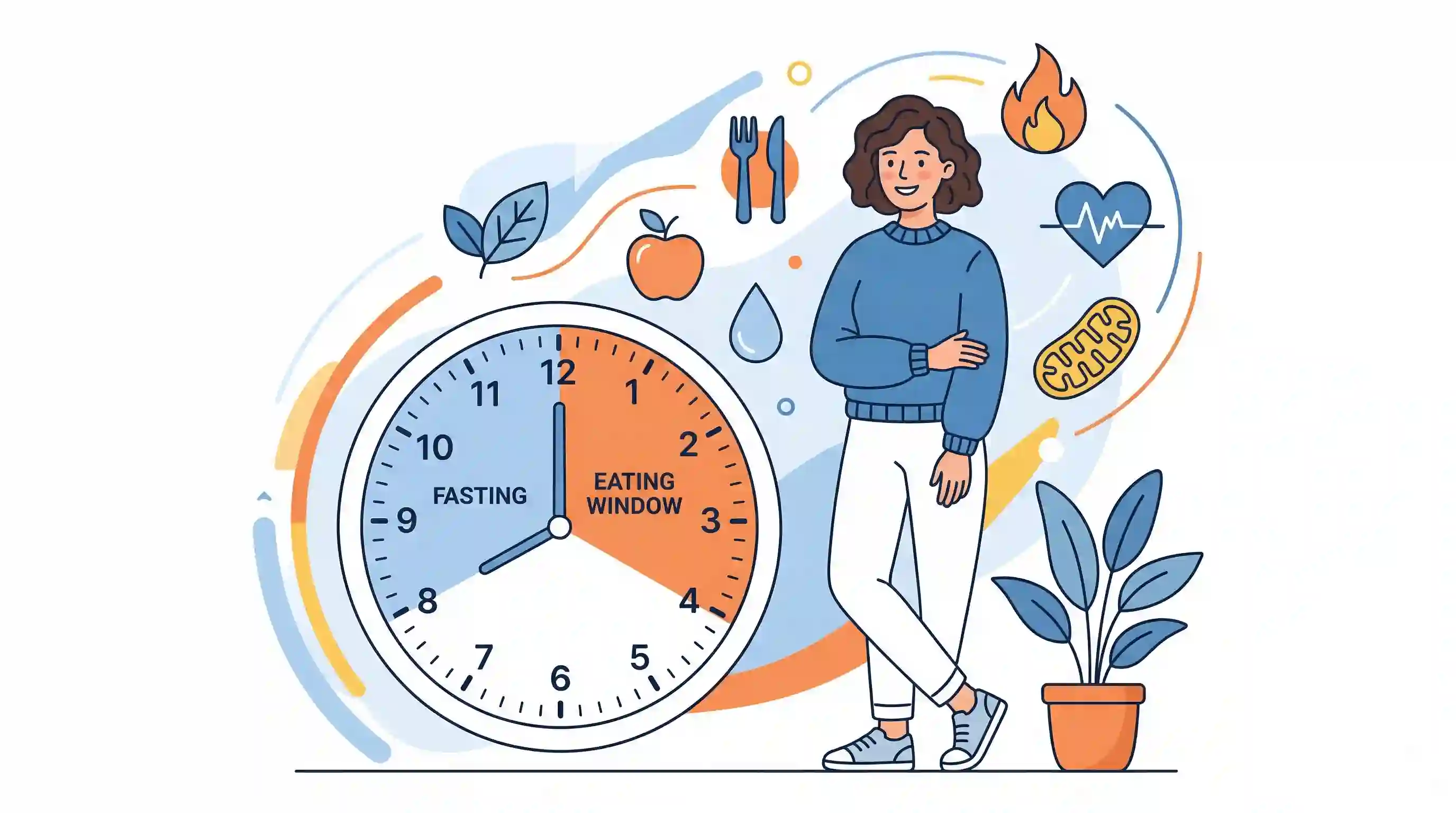
That fear usually comes from mixing up three different things: a fasting schedule, a large calorie deficit, and the normal drop in energy needs that happens when body weight goes down. Those things overlap, but they are not the same.
Let’s make this practical. You’ll see what “metabolism” usually means in this context, what current evidence says, and how to use intermittent fasting without turning it into an overly aggressive diet.
Does intermittent fasting actually slow metabolism?
Usually, no.
A typical intermittent fasting pattern like 14:10 or 16:8 changes when you eat. It does not automatically force your metabolism to slow down. What matters more is how much you eat overall, whether you’re getting enough protein, how active you stay, and whether you’re losing lean mass along the way.
This is where a lot of online advice falls apart. People often talk about intermittent fasting as if it were the same as chronic under-eating or prolonged starvation. It isn’t. You can use intermittent fasting with a mild calorie deficit, at maintenance calories, or even in a surplus. The eating window is just the schedule.
That’s the part most people miss.
If you use intermittent fasting as a structure for eating fewer calories in a sustainable way, that is very different from crash dieting for weeks while feeling exhausted, underfed, and losing muscle.
What people mean by “metabolism” in this question
Most of the time, people are asking about resting metabolic rate, also called RMR, or basal metabolic rate, often shortened to BMR. That’s the energy your body uses to keep you alive at rest. Breathing, circulation, temperature control, hormone production, all the background work your body handles automatically.
Your total daily energy expenditure is bigger than that. It also includes movement, exercise, digestion, and the calories you burn doing regular daily tasks. If you want a rough starting point, a BMR calculator can help estimate resting needs, and a TDEE calculator gives a better full-day picture.
Here’s where the confusion starts. When you lose weight, your body generally needs fewer calories than before. A smaller body burns less energy. That change does not automatically mean your metabolism is “damaged.” Often, it’s simply a normal consequence of carrying less mass.
There can also be adaptive changes during dieting. People may move less without noticing. Training performance can drop. Hunger can rise. In some cases, resting energy expenditure may decrease more than you’d expect from body-size changes alone. But that is more closely tied to aggressive dieting and lean mass loss than to intermittent fasting itself.
What the current evidence says about intermittent fasting
The current evidence does not strongly support the claim that standard intermittent fasting slows metabolism by itself.
An NIH summary of a time-restricted eating study in adults with metabolic syndrome reported modest improvements in blood sugar control and body composition over three months. The summary did not suggest that metabolism slowed as a result of the eating window itself. Weight loss came mostly from fat, not lean mass, which matters because muscle retention helps support energy expenditure.
A review on Ramadan-style intermittent fasting found no significant changes in resting metabolic rate or total energy expenditure in the limited literature it examined. That’s useful because it pushes back on the common idea that short fasting windows automatically make the body “hold on to everything.”
Other clinical and review data, including research on metabolic and neuroendocrine responses to intermittent fasting in obesity and a systematic review of cardiometabolic risk factors, suggest that intermittent fasting patterns such as 16:8 or 5:2 can improve some cardiometabolic markers in certain groups.
That doesn’t mean fasting is magic. It also doesn’t mean it’s right for everyone. It means the research picture is more nuanced than the usual warning that fasting automatically “wrecks” metabolism.
So if you’re asking, “Does intermittent fasting slow metabolism?” the evidence-based answer is closer to this: not inherently, and not in the simple way people often claim.
Why metabolism sometimes drops during weight loss
This is the part that actually matters.
If you lose weight, your energy needs usually go down. That’s expected. Less body mass means less energy required to maintain that mass.
The bigger issue is how you lose the weight.
If your calorie deficit is too large, your daily movement often drops. You may feel colder, flatter in the gym, more tired, and less motivated to move. That can make it feel like your metabolism crashed overnight. In reality, several things may be happening at once:
- You’re eating less, so intake is down.
- You’re moving less than you were before.
- Your body weight is lower, so maintenance needs are lower too.
- You may be losing lean mass if protein intake and resistance training are not dialed in.
That last point matters a lot. Lean mass helps drive resting energy expenditure. If a diet causes you to lose a meaningful amount of muscle, your calorie needs can drop more than you’d like.
This is why intermittent fasting gets blamed for problems it didn’t directly create. The eating schedule gets the attention, but the real driver is often the overall diet setup.
Research on energy restriction and resting metabolic rate during dieting is helpful here because it reminds us that the size and structure of the deficit matter. The same goes for lean mass retention during intermittent energy restriction. The schedule alone is rarely the whole story.
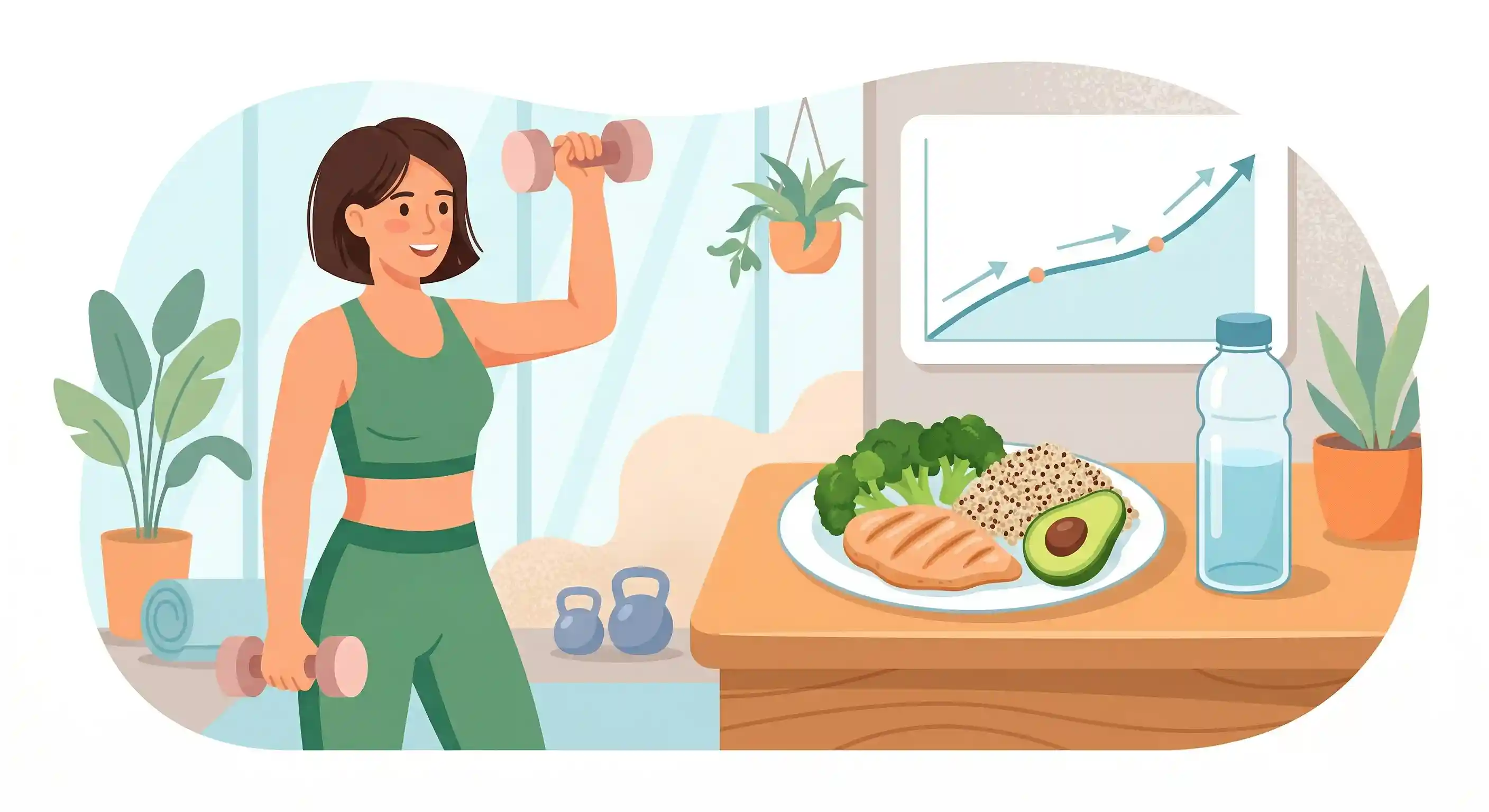
How to use intermittent fasting without increasing the risk
If you like intermittent fasting, you don’t need to avoid it just because you’ve heard scary claims about metabolism. You do need to use it in a way that supports recovery, muscle retention, and realistic calorie intake.
Start with a moderate calorie deficit if fat loss is the goal. Not the biggest deficit you can tolerate for four days. A moderate one you can stick with while still training, sleeping, and functioning like a normal person.
Protein matters too. A lot. It helps preserve lean mass during weight loss, which is one reason it can help you protect energy expenditure over time.
Resistance training is another big piece. If you’re fasting and trying to lose fat, lifting weights or doing some form of progressive strength work can help reduce muscle loss. That doesn’t make you bulletproof, but it moves the odds in your favor.
And don’t guess your numbers blindly. Use an intermittent fasting calculator to plan your schedule, then compare that plan with your estimated calorie needs from a BMR or TDEE calculation. That is much more useful than assuming any plateau means your metabolism is ruined.
Who should be cautious with fasting
Intermittent fasting is not a good fit for everyone.
If you’re pregnant, breastfeeding, have a history of disordered eating, take blood-sugar-lowering medication, or have a medical condition that makes fasting risky, talk to a qualified healthcare professional before trying it. The same goes for anyone who finds that fasting reliably triggers binge-restrict cycles or creates an unhealthy mental focus on food.
For some people, a regular meal pattern works better. That’s not failure. It’s just a better fit.
If you’re still figuring out whether fasting is a healthy option overall, this guide on is intermittent fasting healthy is a useful next read. And if you’re brand new, how to start intermittent fasting gives a more beginner-friendly setup.
The bottom line
Intermittent fasting does not appear to automatically slow metabolism for most people. What tends to lower energy expenditure is the broader weight-loss process: smaller body size, reduced movement, lean mass loss, and overly aggressive calorie restriction.
So if intermittent fasting helps you eat in a way that feels structured and sustainable, it can be a useful tool. Just don’t confuse the tool with the way it’s being used.
A better question is not “Will fasting ruin my metabolism?” It’s “Am I using fasting in a way that supports muscle, recovery, and a realistic calorie intake?”
That’s the question that actually moves the needle.
FAQ
Does 16:8 intermittent fasting slow your metabolism?
For most people, a 16:8 schedule does not appear to automatically slow metabolism. It mainly changes meal timing, not the basic function of energy expenditure. Problems are more likely when 16:8 turns into chronic under-eating, poor protein intake, low activity, or muscle loss. If the plan is sustainable and nutritionally solid, the schedule itself is usually not the issue.
Is intermittent fasting the same as starvation mode?
No. Intermittent fasting and prolonged starvation are not the same thing. Intermittent fasting is a structured eating schedule, while starvation implies severe and prolonged energy deprivation. Online discussions often blur those lines, which creates a lot of unnecessary fear. A short fasting window is not automatically the same as metabolic shutdown.
Can intermittent fasting lower BMR?
BMR can go down over time if you lose body mass, especially if you also lose lean mass. But that is not unique to intermittent fasting. It can happen with many weight-loss approaches. The more useful question is whether your plan helps preserve muscle, supports training, and avoids an excessive calorie deficit.
How do you protect your metabolism while losing weight?
Keep your calorie deficit moderate, eat enough protein, stay active, and include resistance training if you can. Those steps help preserve lean mass and reduce the odds of feeling flat, weak, or stuck. Tracking your expected calorie needs with a BMR or TDEE estimate also helps you avoid overreacting to normal changes during weight loss.
Does skipping breakfast slow metabolism?
Skipping breakfast does not automatically slow metabolism. For some people, it makes calorie control easier. For others, it backfires and leads to overeating later. What matters most is the full-day pattern: total intake, food quality, training, energy levels, and how sustainable the routine feels for you.
Is OMAD more likely to affect energy levels or muscle retention?
It can be. OMAD is harder for many people because it compresses all calories and protein into one meal, which may make recovery, training quality, and appetite control more difficult. That doesn’t mean OMAD always fails, but it can be more demanding than a 14:10 or 16:8 approach. If energy, performance, or intake quality slips, a wider eating window is often easier to maintain.
Read More
Why is 16 hours the magic number for fasting?

Learn the science behind 16 : 8 intermittent fasting. Find out why a 16 hour fast boosts fat loss, improves metabolism, and supports longevity.
Read moreBetter to Skip Breakfast or Dinner in Intermittent Fasting?

Discover whether skipping breakfast or dinner works better for weight loss, energy, and health in your intermittent fasting routine
Read moreUltimate Guide to Intermittent Fasting While Breastfeeding

Is intermittent fasting safe while breastfeeding? Complete medical guide covering risks, benefits, and safe approaches for mothers. Expert advice included
Read more