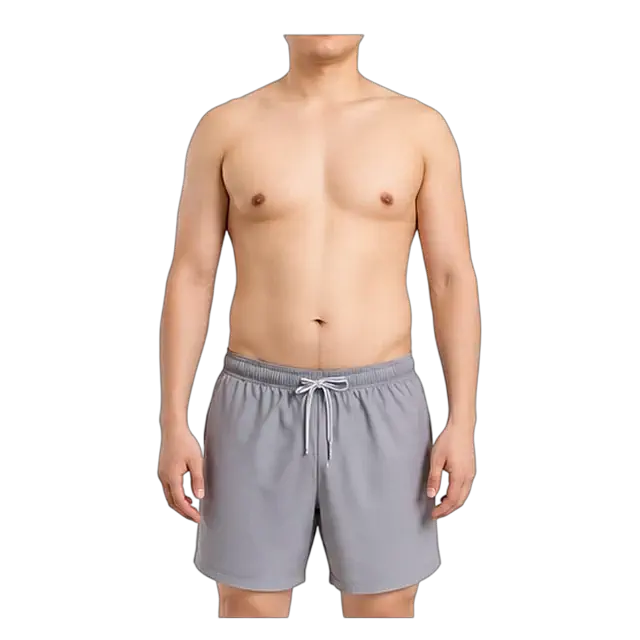
Body Fat Calculator→
Useful before trusting any FFMI result, especially when your body-fat estimate is uncertain or near a cut-first decision.
Calculate your Fat-Free Mass Index, see how muscular you are, compare raw vs normalized FFMI, and get a realistic next-step plan.
Height and weight stay converted when you switch units.
Current category
Height-adjusted comparison
Fat-free mass estimate
Estimated fat weight
Relative position
FFMI is most useful when it is connected to body-fat accuracy, calorie targets, and training decisions. These tools help turn the result into a practical next step.
An FFMI calculator estimates Fat-Free Mass Index from height, weight, and your estimated fat percentage. It first estimates fat-free mass, then adjusts that lean tissue for your height.
This makes the result more useful than body weight alone for lifters, athletes, and anyone trying to understand whether their weight is mostly muscle, fat, or a mix of both.
The main formula is fat-free mass in kg / height in meters squared. The normalized score then adjusts the number toward a reference height to reduce the comparison advantage or disadvantage of being very tall or very short.
These male reference ranges pair the score with leanness context, because the same number can look very different depending on how lean or soft the physique is.
| FFMI | Body fat | Category |
|---|---|---|
| 17–18 | 10–18% | Skinny |
| 18–20 | 20–27% | Average |
| 19–21 | 25–40% | Fat |
| 20–21 | 10–18% | Athlete / Intermediate |
| 22–23 | 6–12% | Advanced |
| 24–25 | 8–20% | Bodybuilder / Strength athlete |
These female reference ranges use sex-specific score and leanness pairings, so compare within the women's table rather than against the men's table.
| FFMI | Body fat | Category |
|---|---|---|
| 14–15 | 20–25% | Skinny |
| 14–17 | 22–35% | Average |
| 15–18 | 30–45% | Fat |
| 16–17 | 18–25% | Athlete / Intermediate |
| 18–20 | 15–22% | Advanced |
| 19–21 | 15–30% | Bodybuilder / Strength athlete |
The FFMI calculator depends heavily on your percentage estimate because fat-free mass is calculated from body weight minus estimated fat mass. A 3-5% error can meaningfully change the result, especially at higher levels.
If you are not confident in the estimate, use the result as a likely range. This index is more useful for tracking trends when your measurement method stays consistent.
To use the error demo, enter your details and select Calculate FFMI. The panel updates automatically with example scores at 12%, 15%, and 18% so you can see how a different estimate would change the result.
BMI only compares height and weight. It does not know whether your weight comes from fat, muscle, water, or bone structure.
The FFMI calculator includes a composition input, so it is often more useful for trained people who may be labeled overweight by BMI despite carrying more muscle.
The raw score is the direct result from your current height and fat-free mass.
The normalized score adjusts for height so that very tall or very short lifters can compare results more fairly. In general, taller users may see a lower adjusted number, while shorter users may see it higher.